If your Calgary home was built between roughly 1965 and 1975, it may have aluminum branch wiring. Here is what that means for safety, insurance, and your options.
Homes built roughly 1965–1975 in Calgary may have aluminum branch wiring. The wire itself is not inherently dangerous, but loose aluminum-to-device connections can overheat over time. Warning signs include warm outlet plates and flickering lights. Remediation is pigtailing with approved connectors or a full rewire — some insurers require it before writing a policy.
Calgary has plenty of solid, well-built homes from the late 1960s and early 1970s — and a number of them share a hidden trait: aluminum branch-circuit wiring. During roughly 1965 to 1975, aluminum was widely used in residential wiring as a cheaper alternative to copper. The wire itself is not the villain it is sometimes made out to be, but the way it behaves at connections deserves real attention.
If you own or are buying a home from that era, here is what aluminum wiring actually is, why it matters, and how it gets fixed properly.
Why aluminum connections are the real issue
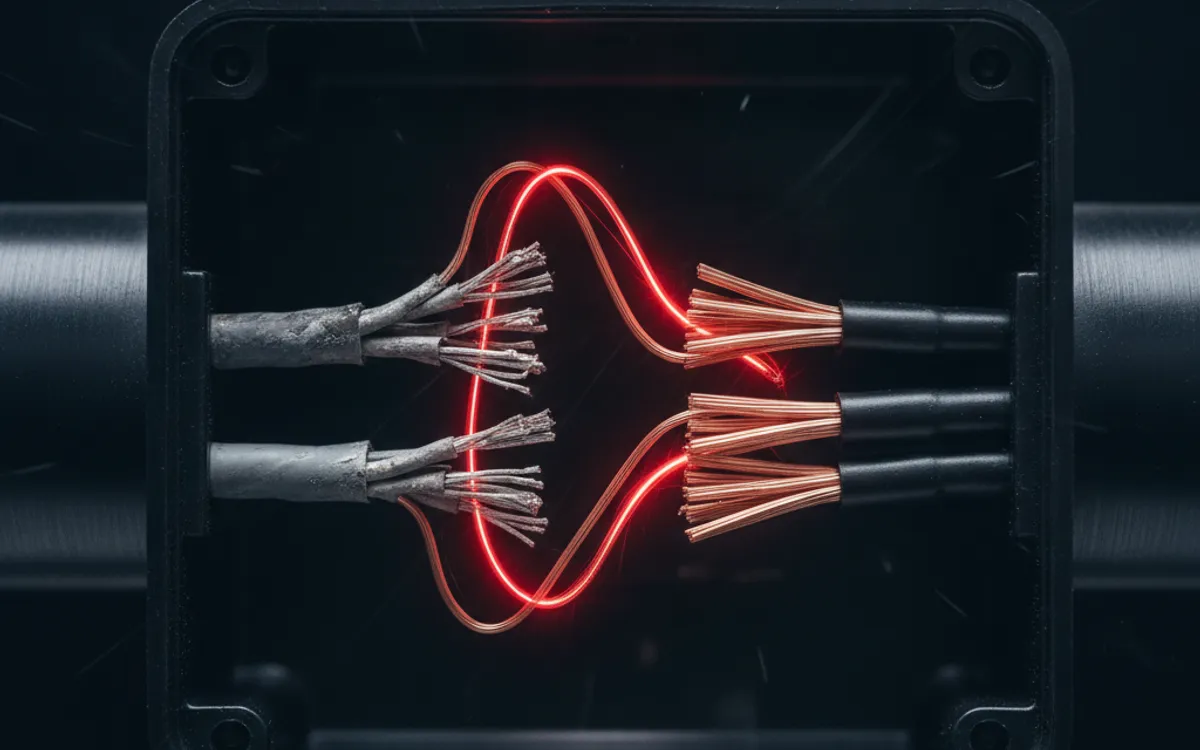
Aluminum wiring problems almost always show up at the connections — at outlets, switches, and junctions — rather than in the middle of a run. Aluminum expands and contracts more than copper as it heats and cools, it can develop a higher-resistance oxide layer, and connections made with devices designed for copper can gradually loosen over time. Loose, high-resistance connections generate heat. Heat at a connection point is precisely the failure mode that leads to scorched outlets and, in the worst cases, fire.
“Aluminum wiring is not an automatic emergency — but loose connections quietly getting warmer behind your wall plates absolutely deserve a professional look.”
Warning signs worth taking seriously
- Warm or discoloured outlet and switch plates.
- Flickering lights not tied to a single failing fixture.
- A faint burning or fishy smell near outlets.
- Outlets or switches that crackle, or that have stopped working intermittently.
- Breakers that trip without an obvious overload.
If you notice any of these, stop using the affected circuit and call a licensed electrician. Do not wait.
The insurance angle
Aluminum wiring has real implications for home insurance in Alberta. Some insurers will not write a policy on a home with aluminum branch wiring unless it has been inspected and remediated by a licensed electrician, and they may ask for documentation. This matters at purchase and at renewal — an unaddressed aluminum-wiring flag can complicate or raise the cost of coverage. Proper, documented remediation is often what turns a "no" into a "yes."
How it gets fixed: pigtailing vs. rewiring
There are two mainstream remediation paths, and the right one depends on your home and budget.
- Pigtailing with approved connectors — a short length of copper is joined to each aluminum conductor using connectors specifically listed and approved for the job, so devices see copper. Done correctly with the right connectors and technique, this is a recognized, code-compliant remediation that is far less invasive than a full rewire.
- Full rewire — replacing the aluminum branch circuits with copper. It is the most thorough option, and the most expensive and disruptive, but it removes the issue at the source.
A critical caution: pigtailing only works when it is done with connectors specifically approved for aluminum-to-copper connections and installed correctly. The wrong connector, or a sloppy job, can create exactly the loose, hot connections you were trying to eliminate. This is not a place to cut corners.
This is licensed-electrician-and-permit territory
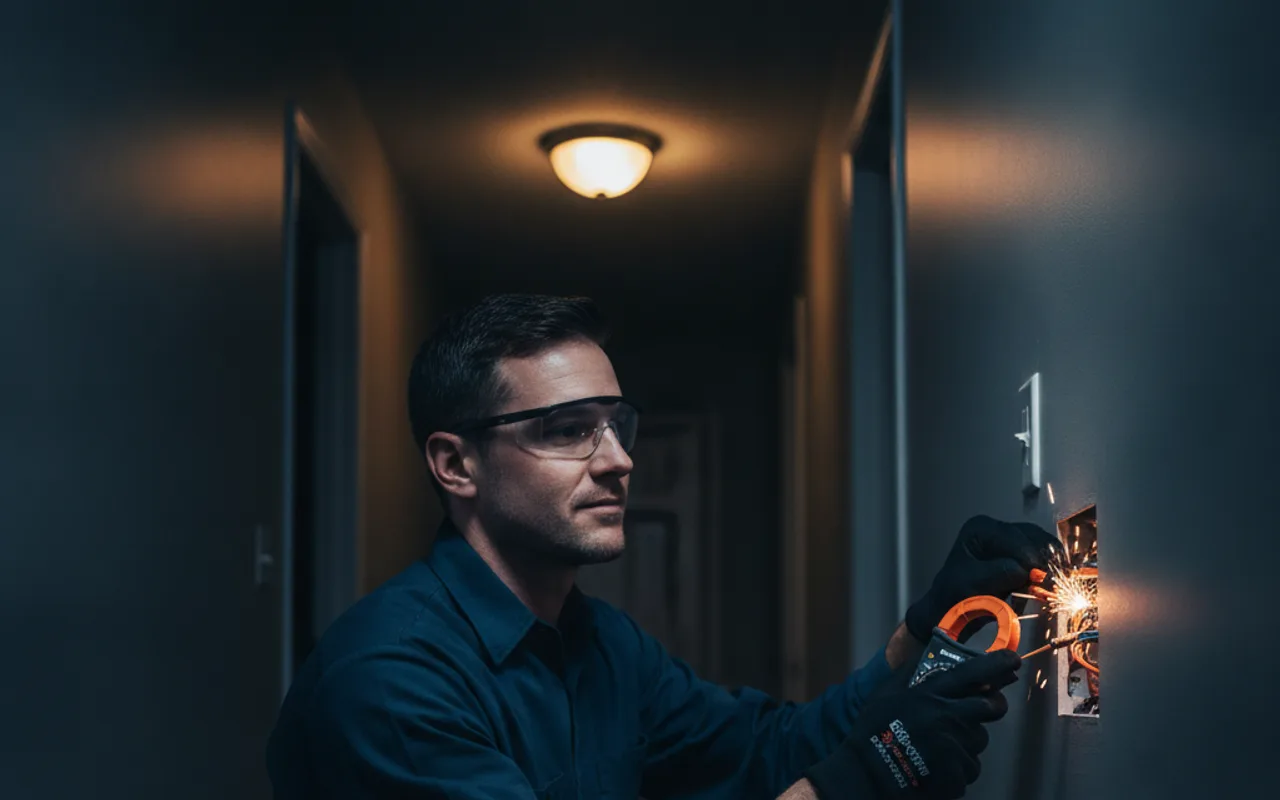
Aluminum remediation should be done by a licensed electrician, and the work generally requires a City of Calgary electrical permit and inspection. The permit and inspection are also useful evidence — for both your insurer and a future buyer — that the work was done to code.
Buying a 1965–1975 Calgary home?
If you are mid-purchase, get an electrical inspection focused on the wiring type and connections before you waive conditions. Knowing whether you are dealing with aluminum — and what remediation would cost — is far better information to have before closing than after.
If you suspect aluminum wiring in your home, or an inspection flagged it, the team at Shock Stop can assess your connections, explain whether pigtailing or rewiring makes sense for your situation, and handle the permit and inspection. Book a wiring safety inspection and get a clear answer.
Questions about this
Is aluminum wiring dangerous in a Calgary home?
Aluminum wiring is not an automatic emergency — the wire itself is not the problem. The issue is at connections: aluminum expands and contracts more than copper, can develop a higher-resistance oxide layer, and connections made with devices designed for copper can loosen over time, generating heat.
What are warning signs of a bad aluminum wiring connection?
Warm or discoloured outlet and switch plates, flickering lights not tied to one fixture, a faint burning or fishy smell near outlets, outlets or switches that crackle or stop working intermittently, and breakers that trip without an obvious overload. If you notice any of these, stop using the circuit and call a licensed electrician.
Does aluminum wiring affect home insurance in Alberta?
Yes. Some insurers will not write a policy on a home with aluminum branch wiring unless it has been inspected and remediated by a licensed electrician, and they may ask for documentation. This can affect coverage at both purchase and renewal.
How is aluminum wiring fixed — pigtailing or a full rewire?
Pigtailing joins a short length of copper to each aluminum conductor using connectors specifically listed for the job, so devices see copper — a recognized, code-compliant fix that is far less invasive than a rewire. A full rewire replaces the aluminum branch circuits with copper entirely; it is more thorough but also more expensive and disruptive.