Swimming pool electrical in Calgary needs a bonding grid, GFCI-protected circuits and a permit — all before the water goes in.
Swimming pool wiring in Calgary runs $1,500–$8,000 depending on pool type, and is governed by Section 68 of the Canadian Electrical Code. A licensed electrician installs a bonding grid, GFCI-protected circuits and a disconnect, all under a City of Calgary permit. For an in-ground pool, the bonding grid must go in before the concrete pours — book your electrician with your pool contractor, not after.
Swimming pool wiring in Calgary is governed by Section 68 of the Canadian Electrical Code, the section covering pools, tubs and spas, and it asks for more than almost any other residential circuit you will have installed. A licensed electrician installs an equipotential bonding grid around and under the pool, runs GFCI-protected circuits for the pump and any lighting, and mounts a disconnect within sight of the water, all pulled under a City of Calgary electrical permit before the pool holds a drop of water. If you are planning an in-ground or above-ground pool for a Calgary backyard, here is what the electrical scope actually involves, what it costs, and the timing mistake that catches almost every first-time pool owner.
Why a pool needs more than a hot tub's wiring
We get asked often whether pool wiring is just hot tub wiring at a bigger scale. It is not. As we cover in our guide to hot tub wiring in Calgary, a hot tub needs a dedicated 240V circuit, a GFCI breaker and bonding of its shell, plumbing and pump housing. A hot tub is a self-contained, factory-built shell sitting on a pad. An in-ground pool is built into the ground, which is why the code adds a step a hot tub never needs: an equipotential bonding grid under and around the pool structure itself.
“A hot tub needs its metal parts bonded together. An in-ground pool needs the ground around it bonded too, so no two surfaces anyone could touch while standing in or near the water can ever sit at a different voltage. That grid is poured in or backfilled over, which means it has to be right the first time.”
What the code actually requires
Section 68 sets out several specific requirements that a Calgary pool installation has to meet, and an inspector checks each one:
- An equipotential bonding grid, a continuous copper bonding conductor tying together the pool's structural steel, the ladder, any diving board, the pump and filter housings, and any metal fixtures within reach of the water.
- GFCI protection on the pump circuit and on any receptacle or light fixture located near the pool.
- A disconnect switch within sight of the pool, mounted clear of the water's edge, so power can be cut instantly if something goes wrong.
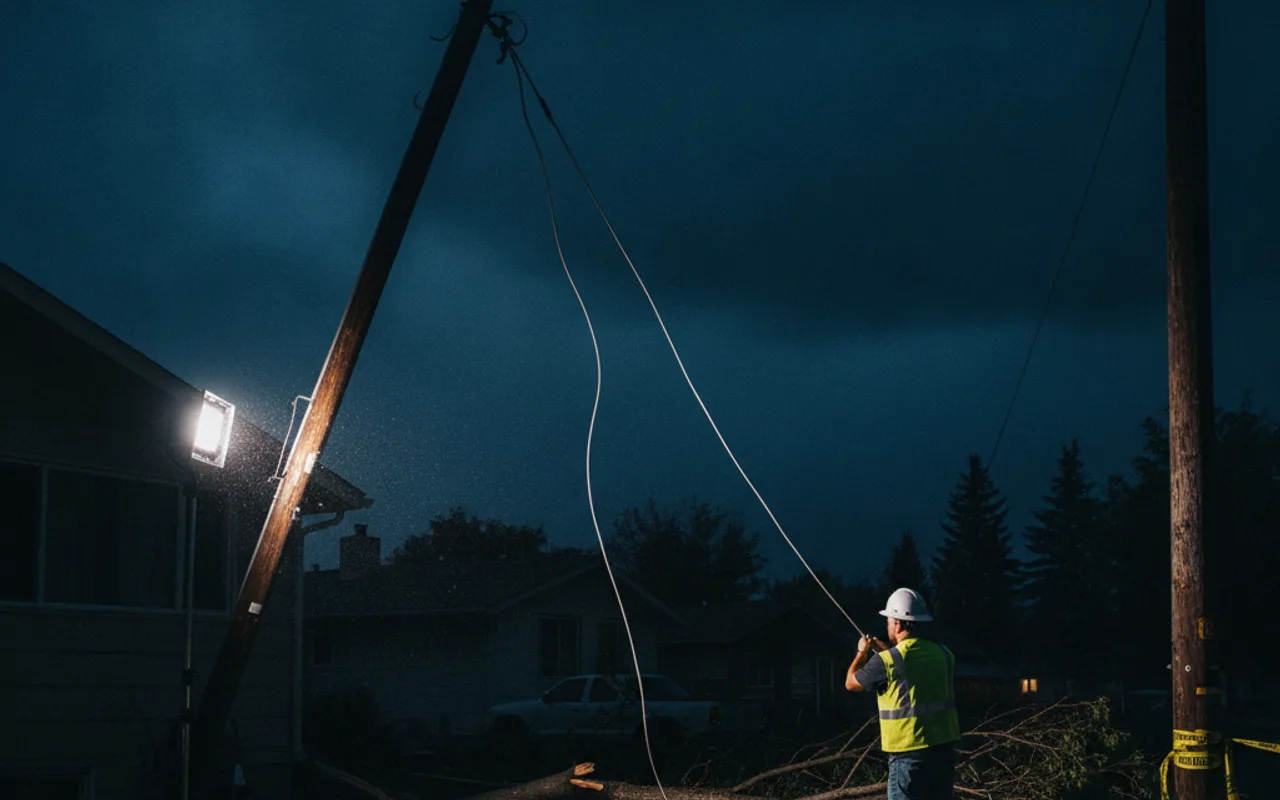
- A horizontal clearance from any overhead power line crossing the yard — a pool, and the work around it, has to stay well clear of a service drop or distribution conductor, confirmed before excavation starts.
- Weatherproof-rated enclosures on every outdoor device the installation uses.
In-ground vs. above-ground: the timing mistake
For an in-ground pool, the bonding grid goes in during excavation, before the pool shell is set or the concrete deck is poured. This is the single most common way a pool project goes sideways: the pool contractor is scheduled, the hole is dug, and the electrician does not get called until the shell is already in or the backfill is already down. At that point, getting the bonding grid in correctly can mean cutting into finished concrete or re-excavating around the pool, instead of a clean step in the original build sequence. Book your electrician at the same time you book your pool contractor, not after the hole is already open.
Above-ground and pre-fabricated pools are a simpler scope. There is no excavation-stage bonding grid, but the pump circuit, GFCI protection, bonding of the ladder and any metal rails, and a disconnect within sight of the pool are still required, still permitted, and still inspected.
Does your panel have room for it?
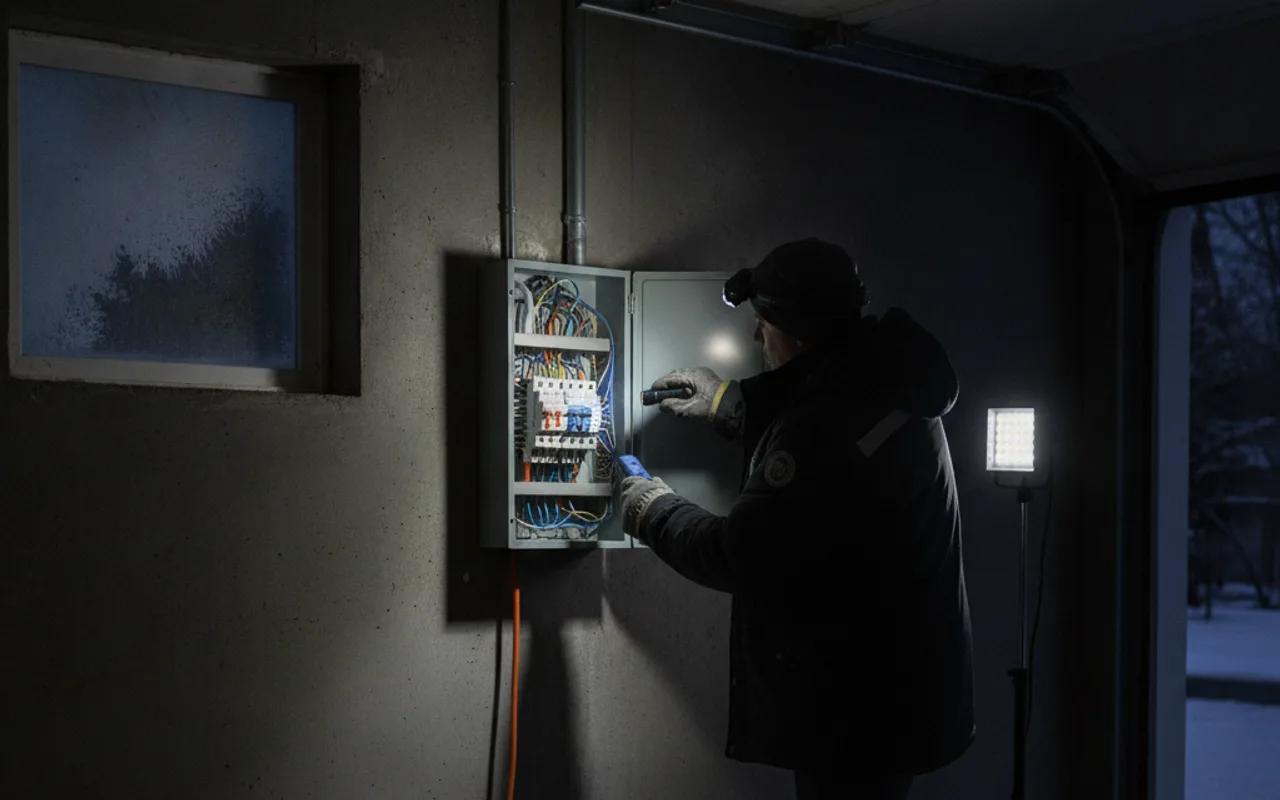
A pool pump, any pool lighting, and sometimes a heater add up to a real load, and adding that to a panel that is already near capacity is how a straightforward pool project turns into a panel conversation. Before any new circuit is run, a load calculation confirms whether your existing service can absorb it. The same math applies here as with any other major addition — as we cover in our guide to panel upgrade costs in Calgary, a 100A service running a secondary suite, baseboard heat, or an EV charger often does not have the room, while a 200A service usually does.
The permit, and what the inspection checks
Pool electrical work requires a City of Calgary electrical permit, pulled by a licensed contractor, the same as any other major residential circuit. As we explain in our overview of electrical permits in Calgary, the permit is what triggers an independent inspection, and for a pool that inspection is focused squarely on the bonding grid, the GFCI protection, the disconnect placement and the weatherproofing of every outdoor device. An improperly bonded pool is a hazard an inspector can confirm with a meter, but a buyer cannot see at all; as we note in our guide to pre-purchase electrical inspections in Calgary, unpermitted pool wiring is exactly the kind of finding that complicates a resale or an insurance claim years later.
What pool wiring costs in Calgary in 2026
Costs vary with pool type, size, and distance from the panel, but these ranges reflect the Calgary market for a typical residential install:
- Above-ground or pre-fabricated pool — pump circuit, GFCI, disconnect and permit: $1,500 to $3,000.
- In-ground pool — bonding grid, pump circuit, GFCI protection, disconnect and permit: $3,500 to $6,000.
- In-ground pool with a dedicated lighting circuit or a heater circuit added: $5,000 to $8,000 or more.
- Panel at or near capacity — add $1,200 to $5,000 for load management or a full service upgrade, depending on the path chosen.
These are typical Calgary market ranges, not a fixed quote. The pool itself, excavation, and the pool contractor's own work are separate. Acreage properties in Rocky View County and Foothills with longer runs from the panel, and lakeside builds in Chestermere where outdoor electrical is already part of the property's character, tend to land at the higher end of these ranges.
Questions worth asking before you sign a pool contract
- Who is scheduling the electrician relative to the excavation, and is the bonding grid built into that schedule?
- Is this quote for an above-ground or in-ground scope, and does it include the permit?
- Does my panel have room for the pump, lighting and any heater load, or does this start with a load calculation?
- Who confirms clearance from any overhead line crossing the yard before the hole is dug?
A pool is one of those backyard projects where the electrical scope has to be planned before the first shovel goes in the ground, not worked around after. The team at Shock Stop coordinates directly with your pool contractor on timing, runs the load calculation, builds the bonding grid correctly the first time, and carries the City permit through to inspection, whether the project is a backyard pool in Calgary or an acreage build out past Okotoks or Springbank. Reach out for a pool wiring assessment before you finalize your design, so the electrical side is sorted out before the excavator shows up.
Questions about this
Do I need an electrical permit for a pool in Calgary?
Yes. Pool electrical work falls under a City of Calgary electrical permit, pulled by a licensed contractor, and the inspection that follows checks the bonding, the GFCI protection and the disconnect specifically — the same way a hot tub installation is inspected, but with the added bonding-grid step an in-ground pool requires.
What is pool bonding, and why does a pool need more of it than a hot tub?
Bonding ties every metal part near the pool, the structural steel, the ladder, the pump housing, any metal fencing within reach, together with a continuous conductor so no two surfaces near the water can ever sit at a different voltage at the same time. A hot tub needs bonding too, but a hot tub is a self-contained shell. An in-ground pool is built into the ground, so the code requires an equipotential bonding grid under and around the pool itself, not just bonding of the fixed equipment.
Can I install my own pool wiring or bonding in Alberta?
No. Pool electrical work, like hot tub wiring, sits outside homeowner-permit territory in Alberta. It has to be done by a licensed electrician, and the bonding grid in particular is not something to guess at: get it wrong and the fault it is meant to prevent is invisible until someone gets hurt.
What is the biggest mistake people make with pool wiring?
Timing. For an in-ground pool, the bonding grid has to be in place before the concrete shell goes in or the pool is backfilled. Homeowners who bring in an electrician after the pool contractor has already closed up the excavation are often looking at cutting into finished work to fix it. Book your electrician the same week you book the pool contractor, not after the hole is dug.
How much does pool wiring cost in Calgary?
An above-ground pool, with a pump circuit, GFCI protection, disconnect and permit, typically runs $1,500 to $3,000. An in-ground pool, which adds the bonding grid plus usually a lighting circuit, typically runs $3,500 to $8,000, depending on pool size and distance from the panel. A panel upgrade or load management, if your service is tight, is a separate cost on top.