Do You Need an Electrical Permit in Calgary? (And Why It Protects You)
When a permit is required, what the inspection actually checks, and why hiring a contractor who pulls permits protects your resale value and your insurance.
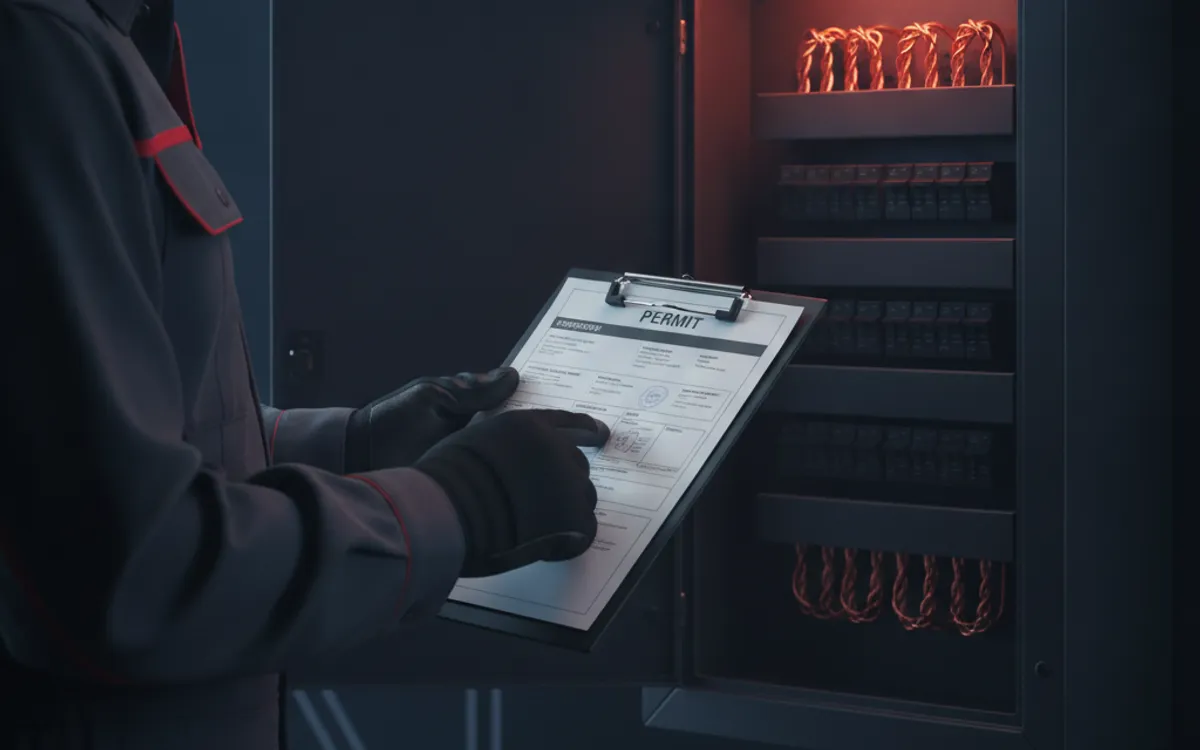
Permits have a reputation as bureaucratic friction — a fee and a delay between you and a finished project. But an electrical permit in Calgary is one of the few pieces of paperwork that genuinely works in your favour. It is the mechanism that puts an independent, qualified inspector between you and a mistake that could cost far more than the permit ever did.
Here is when you need one, what it checks, and why it matters long after the work is done.
When is a permit required?
As a general rule, electrical work that goes beyond simple like-for-like maintenance requires a permit in Calgary. That includes:
- New circuits — EV chargers, hot tubs, AC, a home office sub-panel.
- Panel and service upgrades (for example, 100A to 200A).
- Rewiring or remediation, including aluminum-wiring fixes.
- Basement developments and secondary-suite electrical.
- Adding outlets, switches, or fixtures on new wiring.
Swapping a like-for-like light fixture or replacing a faceplate generally does not require a permit. When in doubt, ask — it is a quick question that saves a lot of grief.
What it costs
The City of Calgary homeowner electrical permit is $116.50 for eligible homeowner-performed work. When you hire a licensed contractor, they pull the permit under their own qualification as part of the job — you should not be left to navigate the City on your own. Either way, the permit fee is small relative to the project, and tiny relative to what it protects.
What the inspection actually checks
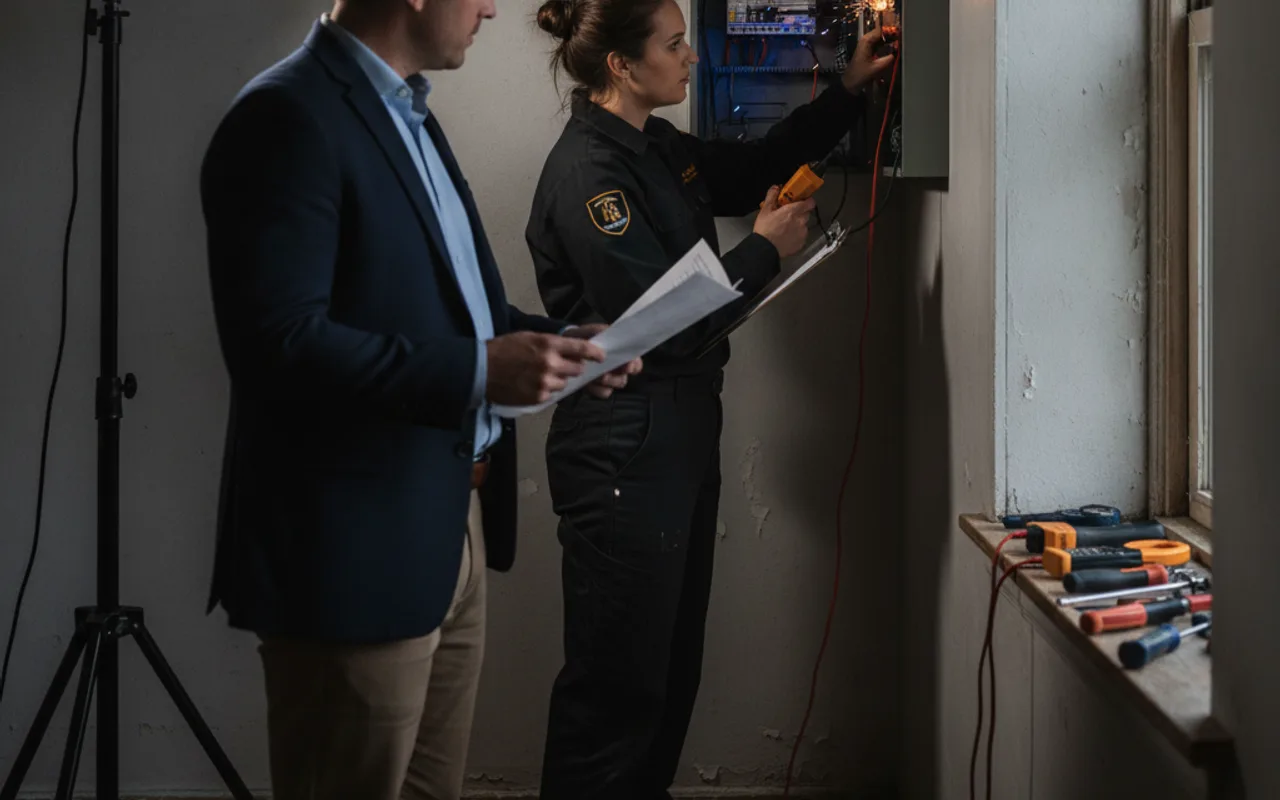
The permit triggers an inspection by a City electrical safety inspector, who is there to confirm the work meets the Canadian Electrical Code as adopted in Alberta. They are checking the things that cause fires and shocks when they go wrong: proper conductor sizing, correct breaker protection, grounding and bonding, secure connections, GFCI/AFCI protection where required, and safe clearances.
“An inspector is a second set of expert eyes you do not have to find or pay separately. That independent check is the whole point.”
Why permitted work protects your resale
Unpermitted electrical work is a recurring headache at resale. Buyers and their inspectors notice work that was clearly done without a permit, and it raises immediate questions: Was it done to code? Will it pass if we make them permit it now? Should we lower our offer? Permitted, inspected work comes with a clean paper trail that answers those questions before they are asked — and that protects your sale price and your timeline.
Why it protects your insurance
If an electrical fault leads to a fire or damage, an insurer may look at whether the work was permitted and inspected. Unpermitted electrical work performed by an unqualified person is exactly the kind of finding that can complicate a claim. A permit is, among other things, documentation that the work was done to standard.
The real danger of unpermitted work
Beyond resale and insurance, the core risk is simpler: nobody checked it. Electrical mistakes are often invisible until they fail — a loose neutral, an undersized conductor, a missing ground. These do not announce themselves; they wait. The inspection exists to catch them while it is still cheap and easy to fix.
- Always confirm the permit is included in your quote.
- Ask who pulls it — a licensed contractor should handle this for you.
- Keep your permit and inspection records with your home documents.
A contractor who pulls permits as a matter of course is telling you something about how they work. At Shock Stop, permits and inspections are part of doing the job right, not an add-on. If you have a project coming up and want it done cleanly, on the books, and inspected, reach out for a quote with the permit handled from the start. Planning a kitchen, bathroom or basement renovation? Our renovation electrician page explains who pulls the permit when you hire a contractor.