What hot tub wiring in Calgary actually costs, what the code requires — 50A circuit, GFCI disconnect, bonding — and when your panel needs an upgrade first.
Hot tub wiring in Calgary typically costs $1,000 to $2,500 all-in — covering the dedicated 240V circuit, the GFCI disconnect, the City of Calgary electrical permit, and labour. That range holds for a standard residential backyard install. Where you land depends on how far the hot tub is from your electrical panel, whether any trenching is involved, and whether your existing service has room to carry a continuous 50-amp load. Here is what the job actually involves, what the Canadian Electrical Code demands for an outdoor water installation in Alberta, and how to know if a panel upgrade needs to happen before the water goes in.
“Hot tub wiring is not a simple add-on circuit. It is a dedicated high-current load in a wet outdoor environment — the code requirements exist because water and electricity are unforgiving, and a proper installation with a permit and inspection is the only version worth doing.”
What the circuit actually requires
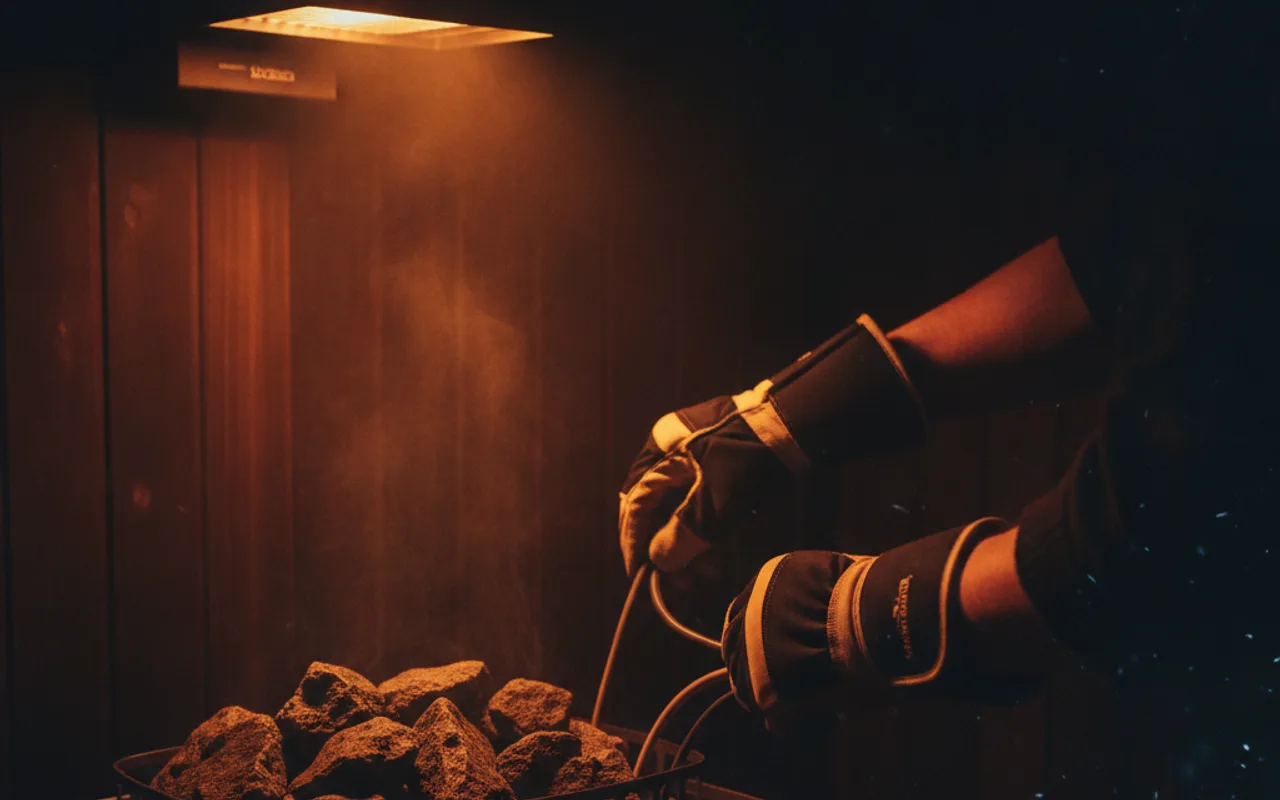
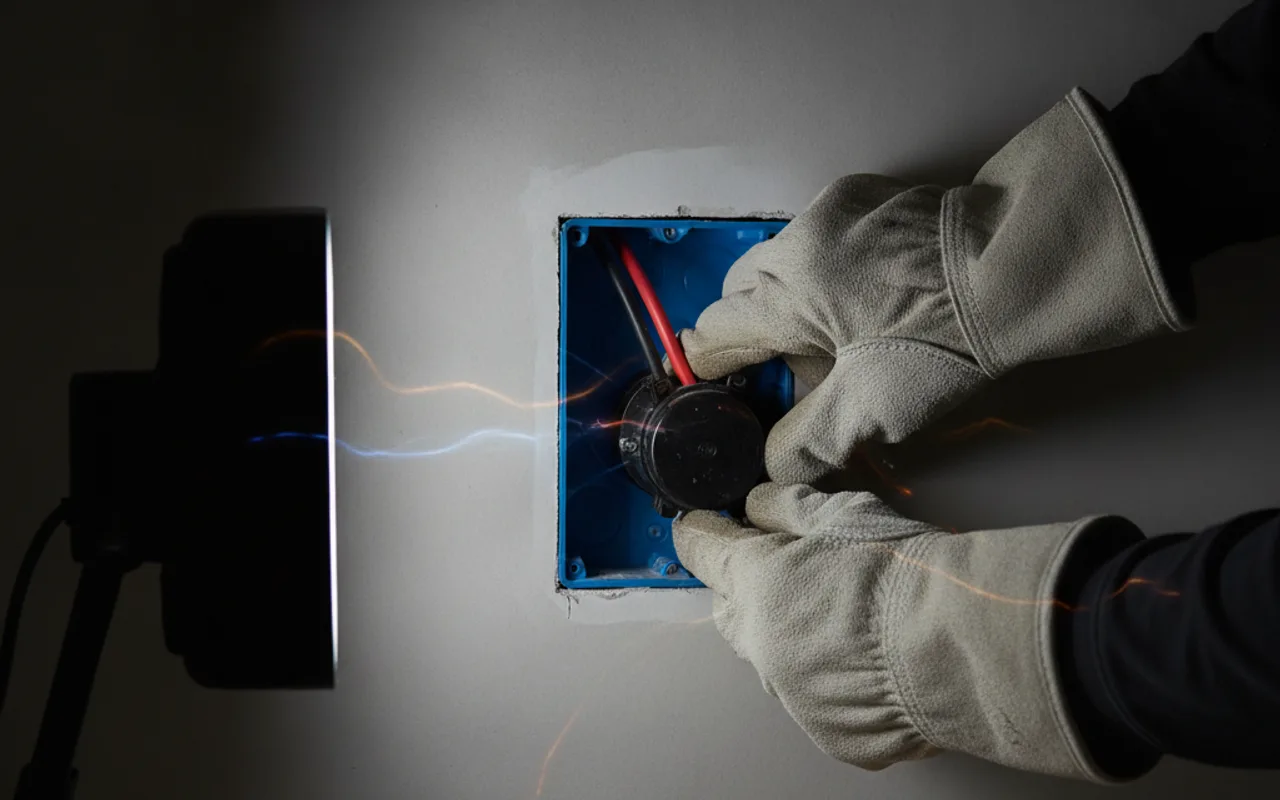
Under the Canadian Electrical Code, a hot tub installation has specific, non-negotiable requirements. A dedicated 240V, 50A circuit supplies the tub — dedicated meaning nothing else shares that circuit, not the deck outlets, not the outdoor lighting. The circuit must be protected by a GFCI (ground fault circuit interrupter) breaker, which cuts power the instant it detects current leaking toward water or ground. An outdoor disconnect switch must be installed within sight of the hot tub, positioned at least one metre from the water's edge — this is a code-specific clearance rule, not a general guideline. And all metallic components of the tub — the shell, the plumbing, the pump housing — must be bonded together with a copper conductor. Every one of these requirements is a focus of the City of Calgary electrical inspection that follows the permit.
- Dedicated 240V, 50A circuit — no sharing with other loads.
- GFCI breaker in the panel protecting the entire hot tub circuit.
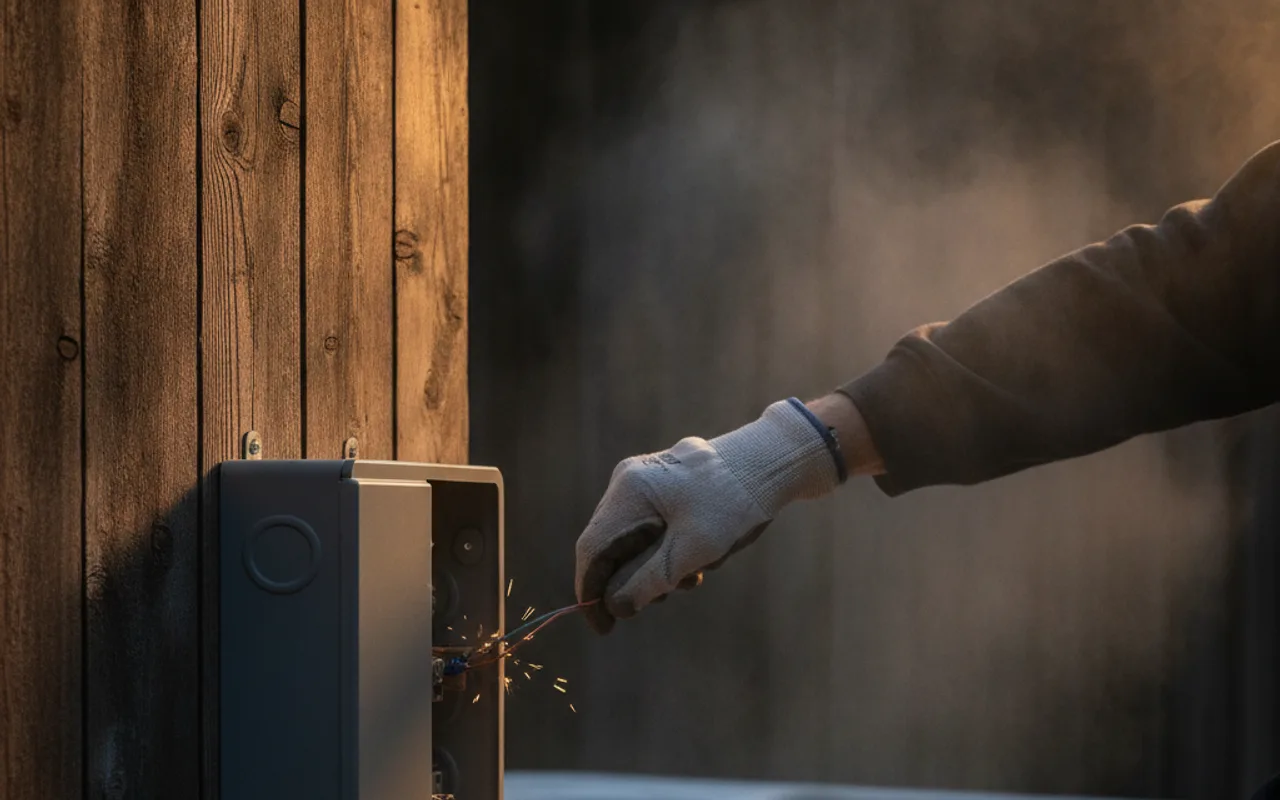
- Outdoor disconnect within sight of the tub, minimum one metre from the water's edge.
- Equipment bonding of all metallic parts — shell, plumbing, and pump housing.
- Weatherproof-rated outdoor enclosures and covers on all exterior devices.
Can your panel handle it?
The 50-amp hot tub load is significant, and adding it to a panel that is already near capacity is how a straightforward project turns into a more expensive one. Before running the new circuit, a load calculation determines whether your existing service can safely absorb the tub. On a 200-amp service with typical residential loads, there is usually room. On a 100-amp service — especially in older Calgary homes running baseboard heat, a secondary suite, or an existing EV charger — the math often does not work. As we covered in our guide on panel upgrade costs in Calgary, a hot tub is one of the most common reasons homeowners on a 100-amp service hit the upgrade fork. We also covered how an EV Energy Management System can help when a full upgrade is more than a project actually warrants.
“The load calculation tells you whether you are looking at a $1,500 circuit job or a $5,000 panel upgrade — both are the right answer, just in different situations. A good electrician runs the numbers before you commit to anything.”
- On 200A service with typical loads — usually room for a hot tub without an upgrade.
- On 100A with heavy loads (baseboard heat, a suite, or an EV charger) — likely need a panel upgrade.
- On 100A with modest existing loads — load calculation may show just enough headroom to proceed.
Underground runs and Calgary's frost conditions
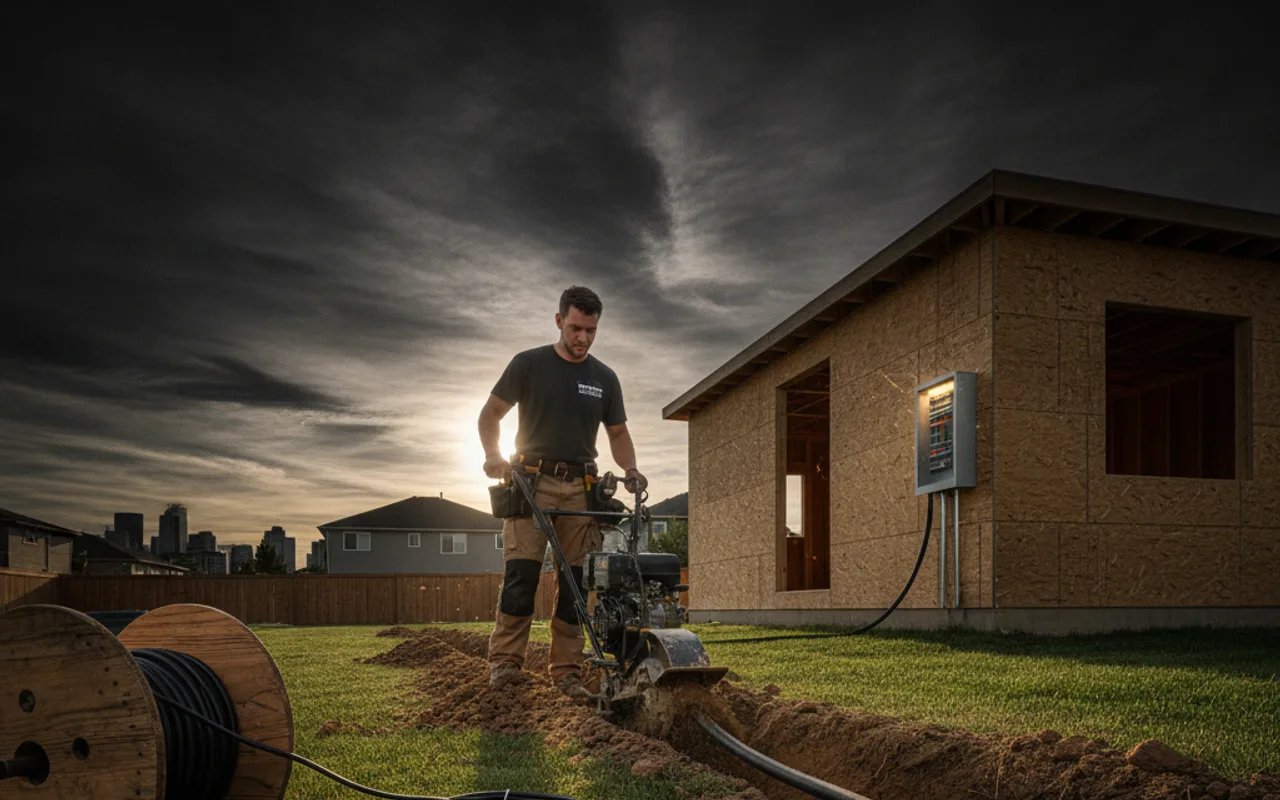
Most installations involve running conduit underground from the panel to the hot tub pad. In Calgary, buried electrical conduit needs to be installed at a depth that protects it from physical damage and from the freeze-thaw movement that our winters cause. A licensed electrician will select the conduit type and burial depth appropriate to the soil conditions and the conductor being run. On acreage properties in Cochrane and Rocky View County, runs of 30 to 100 metres are not unusual, and trenching cost scales meaningfully with distance. A short run across a deck to an adjacent tub pad is a materially simpler job than crossing a large backyard or reaching a detached garage area — and that difference shows up in the quote.
The permit — and what the inspection checks
A hot tub electrical installation requires a City of Calgary electrical permit. A licensed contractor pulls the permit as part of the job. The inspection that follows is focused on exactly the right things for an outdoor, water-adjacent installation: GFCI protection, bonding conductor, disconnect placement, and weatherproofing of every outdoor component. As we explained in our overview of Calgary electrical permits, the permit and inspection are the independent confirmation that the GFCI disconnect is wired correctly and the bonding is done to code. An improperly bonded hot tub can deliver a dangerous electric shock — a hazard that is invisible to the eye and only caught by an inspector checking with a meter. The permit is not optional, and a hot tub install done without one creates real risk at resale and on an insurance claim.
What hot tub wiring actually costs in Calgary in 2026
Costs vary with the specifics of your property, but these ranges reflect the Calgary market for a typical residential install:
- Short run to an adjacent patio or deck — no trenching: $1,000 to $1,500 including permit and GFCI disconnect.
- Longer underground run of 20 to 30 metres across a yard: $1,500 to $2,500.
- Acreage property in Rocky View County, Cochrane, or the Foothills with a 50-metre-plus run: $2,500 to $4,000 or more.
- Panel at or near capacity — add $1,200 to $5,000 for load management or a full service upgrade, depending on the path chosen.
These are installed costs — circuit, wiring, permit, GFCI disconnect, and inspection. The hot tub itself, its pad, and any plumbing are separate. Property-specific variables like panel location, conduit routing, and existing service capacity make an on-site assessment the only reliable way to get a real number.
Questions Calgary homeowners ask about hot tub wiring
How far ahead should I book? Most installs can be scheduled within one to two weeks. If a panel upgrade is also needed — which means coordinating a service disconnect with ENMAX, Calgary's distribution utility — add another week or two to the total timeline. Booking before the tub is delivered avoids the scramble of having it sitting in the yard while you wait for an electrician.
Can I wire my own hot tub? In Alberta, hot tub electrical work must be performed by a licensed electrician. The combination of a high-current circuit, outdoor exposure, and direct proximity to water puts this firmly outside homeowner-permit territory. The City of Calgary inspection exists to confirm the installation is safe — it is not worth bypassing that confirmation on a circuit this close to where people are in water.
Do newer homes in Airdrie or Chestermere need a panel upgrade? Newer builds in communities like Airdrie and Chestermere are typically on 200-amp service, which in most cases has room for a hot tub circuit without an upgrade. Older established-neighbourhood homes in Calgary, and acreage properties in Rocky View County with original services, are more likely to need a load assessment first. A load calculation gives you the definitive answer before any work starts and before any budget is committed.
Will a hot tub affect my home insurance? Disclosing the hot tub to your insurer — with proof of a permitted, inspected electrical installation — is the right approach. Unpermitted hot tub wiring is exactly the finding that can complicate a claim if something goes wrong, and the permit record is your documented evidence that the work was done to code.
Getting the wiring right before the water goes in
From lakeside properties in Chestermere to acreage builds in Cochrane and Okotoks, the team at Shock Stop handles hot tub wiring Calgary homeowners can count on — from load calculation through permit and final inspection. We will assess your panel, run the numbers, and give you a straight answer on whether it is a circuit job or an upgrade conversation — before you commit to anything. Reach out for a hot tub wiring assessment and quote.