Can You Add an Outlet? Bidet, Basement & Outdoor Wiring in Calgary
Yes — but where the outlet is going changes the answer. What Calgary code requires for a bidet, a basement, or an outdoor outlet, and when GFCI protection and a permit come into play.
Adding an outlet sounds like one of the smaller jobs on a Calgary homeowner's list — plug in a bidet seat, get a receptacle into a basement wall that never had one, add a deck outlet for a patio heater or string lights. In almost every case, yes, it can be added, and it is a straightforward job for a licensed electrician. What actually changes from job to job is which circuit the new outlet lands on, whether GFCI protection is required for that location, and whether the work needs a City of Calgary electrical permit.
“Quick answer: yes — a new outlet for a bidet, a basement, a deck, or a garage is a routine add for a licensed electrician. Wet or damp locations (bathroom, kitchen, garage, outdoors, unfinished basement) require GFCI protection by code, and any new outlet on new wiring needs a City of Calgary electrical permit. The one thing worth checking first is whether the circuit you are tapping into has room for the extra load.”
Adding an outlet for a bidet
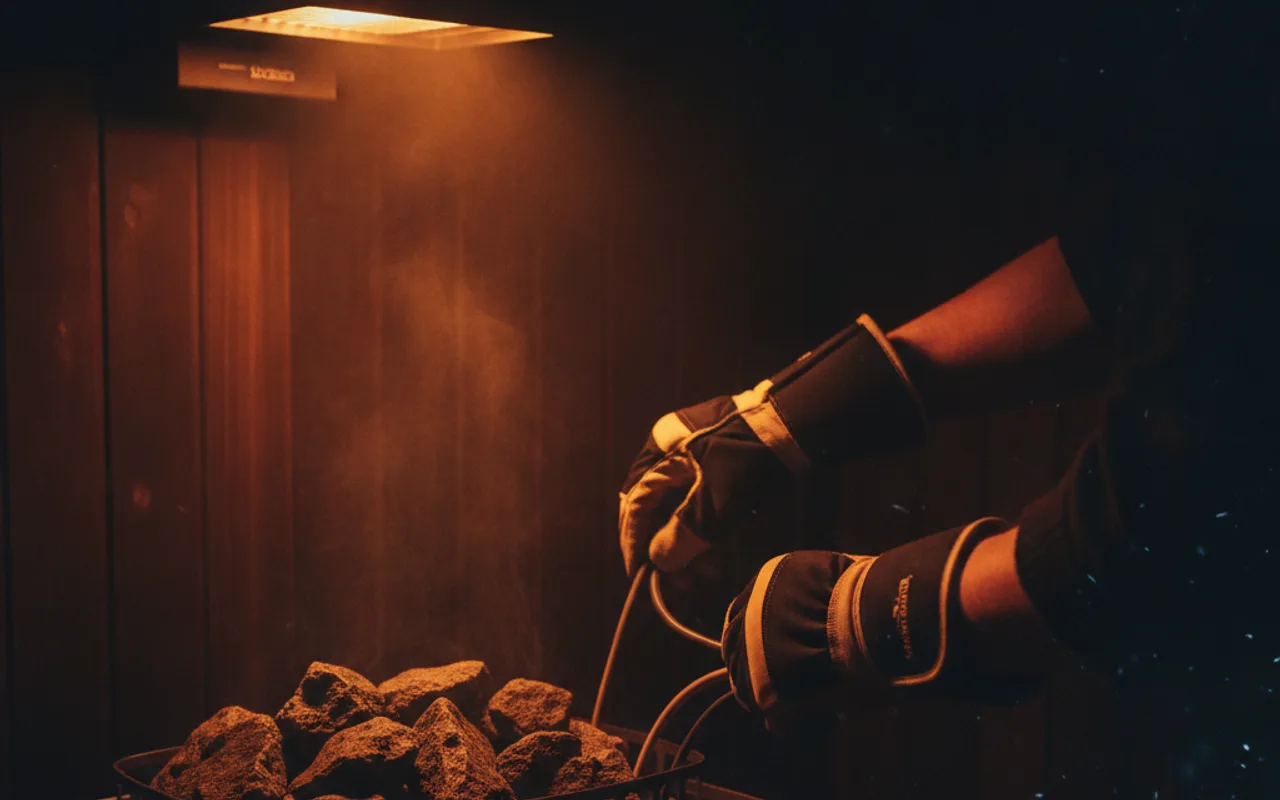
Electric bidet seats and attachments need power near the toilet, and most Calgary bathrooms were not built with an outlet in that spot. This is a common, small job — but a bathroom outlet is not optional on protection: any outlet in a bathroom requires GFCI protection under the Canadian Electrical Code, full stop, regardless of the age of the home. As we cover in our guide to GFCI and AFCI outlets in Calgary, that protection is what keeps a fault near water from becoming a shock hazard.
- Placement has to respect code clearances from the tub and shower area, while still landing within reach of the bidet seat.
- A basic plug-in bidet attachment draws very little power and usually shares an existing bathroom circuit without issue.
- A bidet seat with a heated water tank or seat warmer draws meaningfully more current — worth confirming the circuit has room before you buy the unit, not after.
- If the bathroom was renovated before current GFCI rules existed, the electrician doing the outlet add will bring that outlet up to current code as part of the job.
Adding an outlet in a basement
Basements split into two different rulebooks, and it depends on whether the space is finished. An unfinished basement — bare concrete, exposed joists, a utility area — falls under the same GFCI requirement as garages and damp spaces: outlets there need GFCI protection. A finished basement living space, like a family room or a home office, is treated as living space instead, which brings in the AFCI requirement that protects against arc faults rather than ground faults. If the finished space includes a bedroom, or you are adding outlets as part of a larger basement development or secondary suite, the scope gets bigger fast — our guide to basement suite electrical in Calgary walks through how sub-panels, dedicated circuits, and code-required alarms fit into that kind of project.
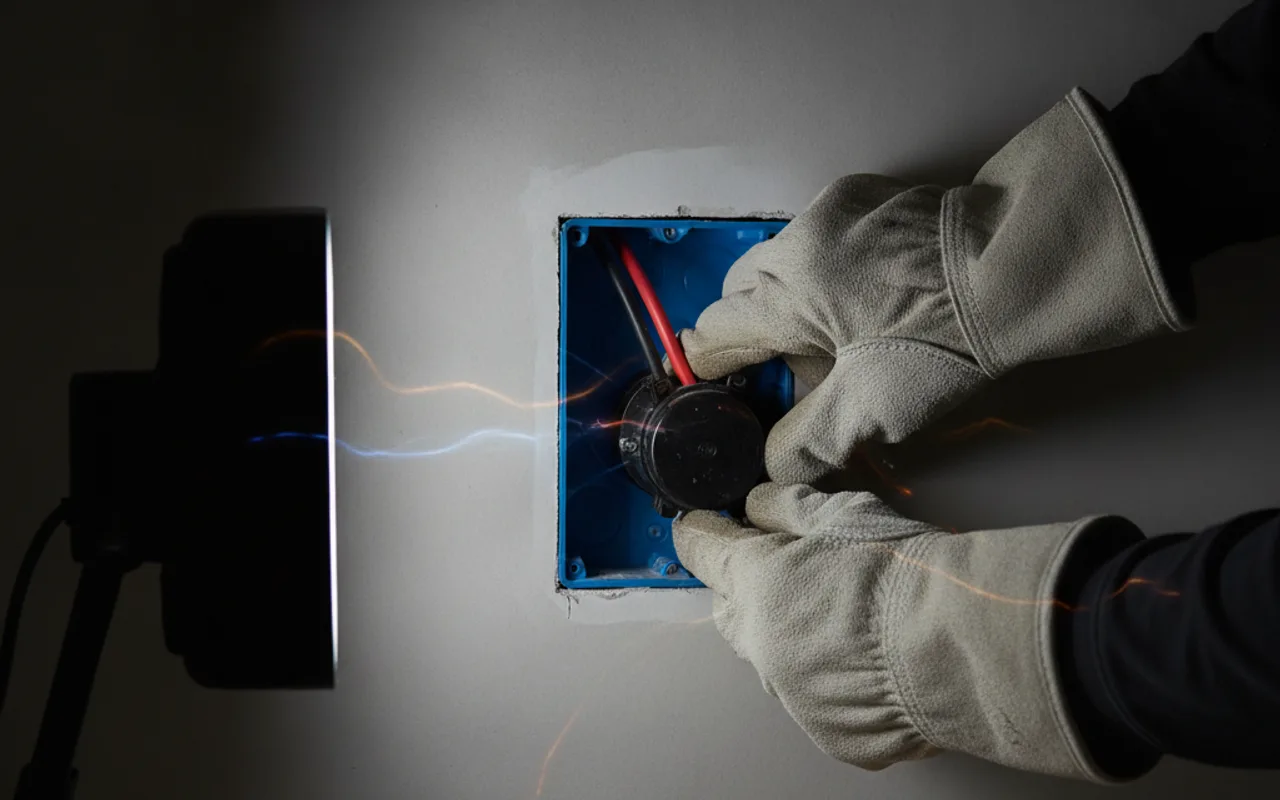
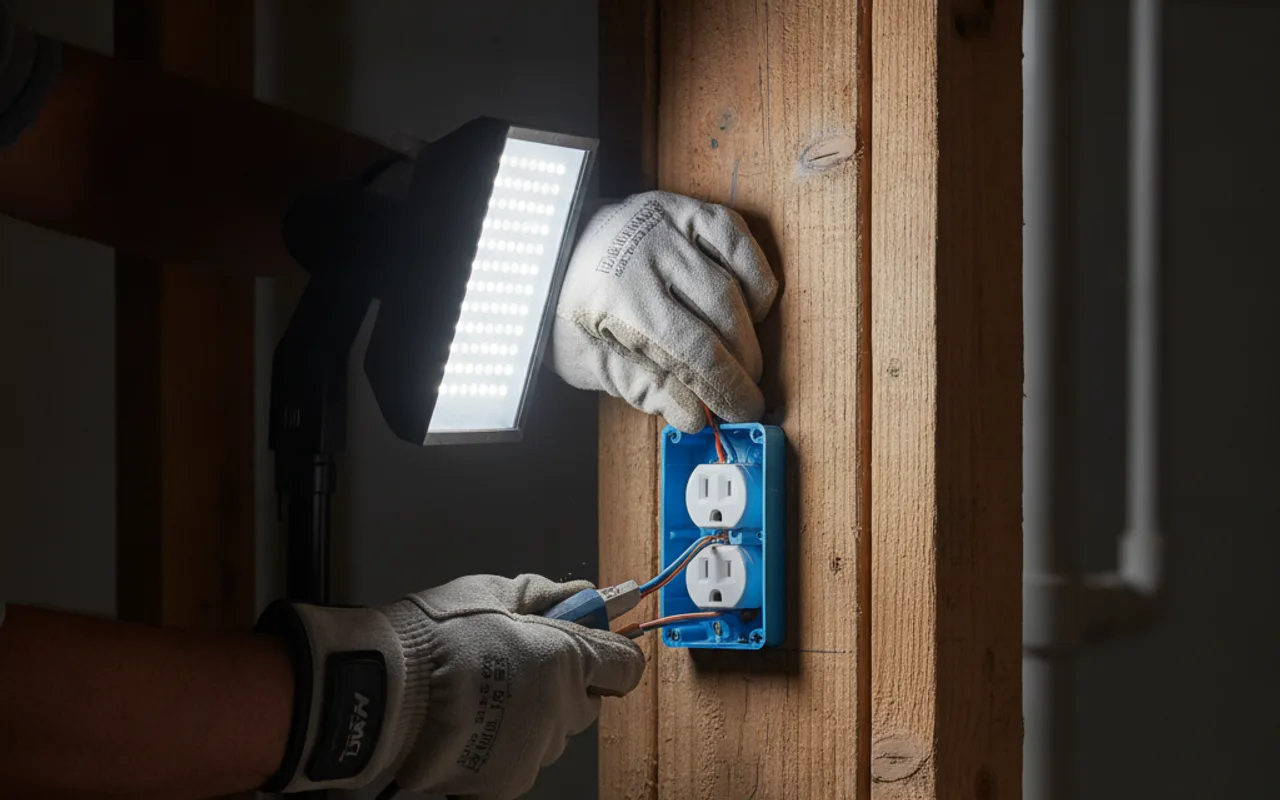
For a simple basement outlet add — one or two receptacles on an existing circuit, no renovation attached — the job is usually quick: run the wire, land the new box, confirm the circuit is not overloaded, and close it up.
Adding an outdoor outlet
A deck outlet for string lights and a patio heater, or a garage outlet for tools and a shop vac, are two of the most common requests we get in the spring and summer. Both fall under the same rule: any exterior receptacle requires GFCI protection, and it needs a weatherproof in-use cover that keeps it protected while something is plugged in, not just when it is closed up. Garage outlets carry the same GFCI requirement.
- A deck or patio outlet for lighting, a heater, or small appliances is usually a modest add to an existing circuit if the run to the panel is short.
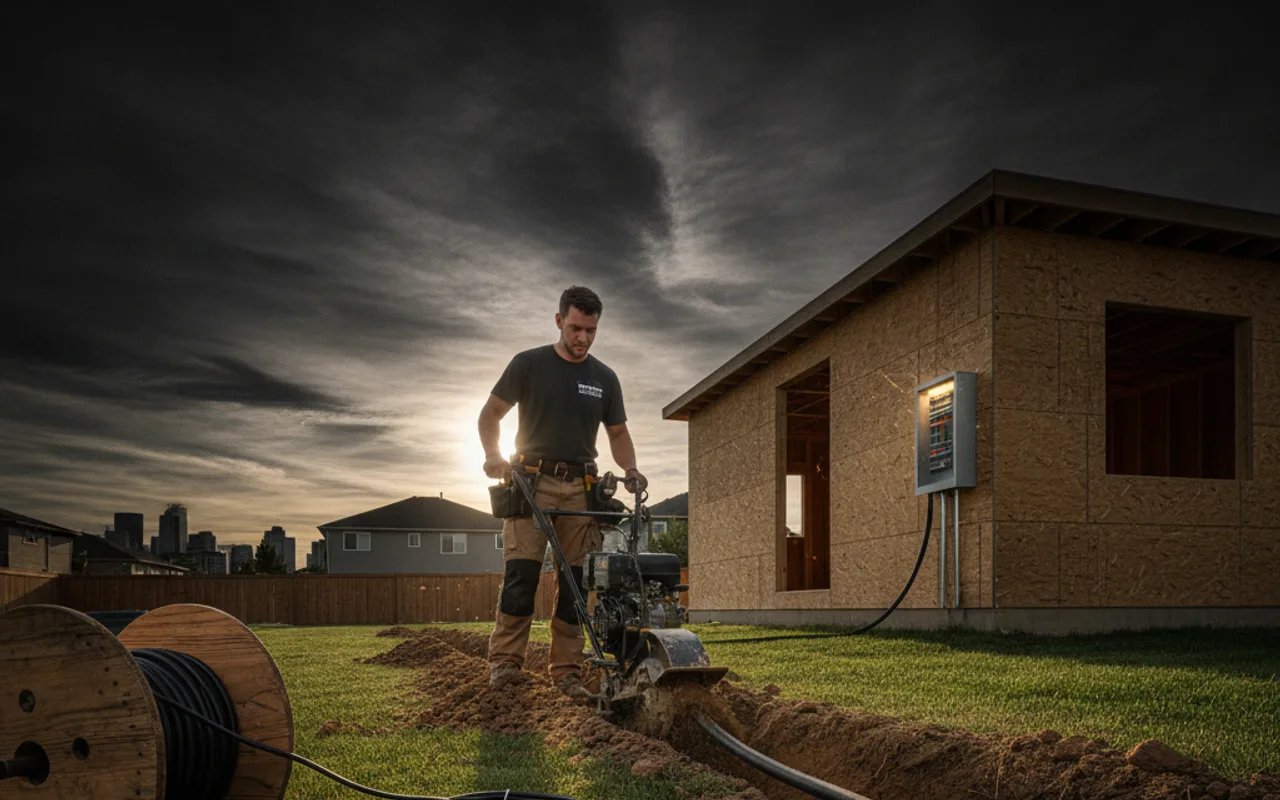
- A detached garage or shed further from the house is a bigger job — it may need its own dedicated circuit and, depending on distance, a buried conduit run.
- Anything higher-draw and permanent outdoors — a hot tub is the common example — needs a dedicated circuit of its own; our [hot tub wiring guide](/blog/hot-tub-wiring-calgary) covers what that involves.
- Weatherproof in-use covers are required on every outdoor device, not just recommended — an inspector will check for them.
Does the existing circuit have room?
This is the question that separates a quick add from a bigger conversation. A single low-draw outlet — a bidet, a lamp, a phone charger — rarely troubles an existing circuit. A higher-draw addition, or several new outlets on an older home already running close to capacity, is different. Older Calgary homes on 100-amp service, especially ones with baseboard heat or a secondary suite already drawing on the panel, sometimes need a quick load check before new circuits go in. If that turns up tight capacity, our guide to panel upgrade costs in Calgary covers what the next step looks like — though for the outlet adds covered here, that is the exception, not the rule.
When does it need a permit?
Adding a new outlet on new wiring is new electrical work, and it requires a City of Calgary electrical permit — the same as any other circuit addition. A licensed contractor pulls the permit as part of the job, which is what triggers the inspection confirming the GFCI protection, wiring, and connections were done correctly. As our guide to electrical permits in Calgary explains, that paperwork is what protects you at resale and with your insurer if anything is ever questioned later. It is a small step relative to the size of the job, and it is not one worth skipping on work this close to water, damp areas, or the outdoors.
What it typically costs
Costs scale with distance from the panel and whether GFCI protection is already present on the circuit. These are Calgary market ranges, not a quote:
- A single outlet added on an existing circuit with easy access (bidet, basement, garage) — typically a few hundred dollars, including the GFCI device and permit where required.
- An outdoor deck or patio outlet with a moderate run — moves up from there depending on distance and whether the run is exposed or has to be fished through finished walls.
- A new dedicated circuit, or a run to a detached garage or shed involving trenching — the largest range, since conduit, distance, and access conditions vary a lot property to property.
A site visit or a quick photo and description is the fastest way to get a firm number for your specific outlet add.
When it is simple, and when to call first
A single outlet on an existing, uncrowded circuit is about as routine as electrical work gets. Call first — rather than assuming — if the space is a bathroom, a wet or outdoor location, an older home on 100-amp service, or if you are planning several new outlets at once as part of a bigger project. Getting the GFCI protection and the permit right the first time is a lot easier than fixing it after the drywall is closed.
From a bidet outlet in a Calgary bungalow to a garage circuit in Airdrie or a deck outlet on an acreage in Rocky View County, the team at Shock Stop handles outlet adds of every size, with GFCI protection applied correctly and the permit pulled from the start. Reach out for a quote on your outlet, and see our service and repair page for the full range of troubleshooting and small-job electrical work we handle across Calgary and the surrounding communities.